 Smthing Creations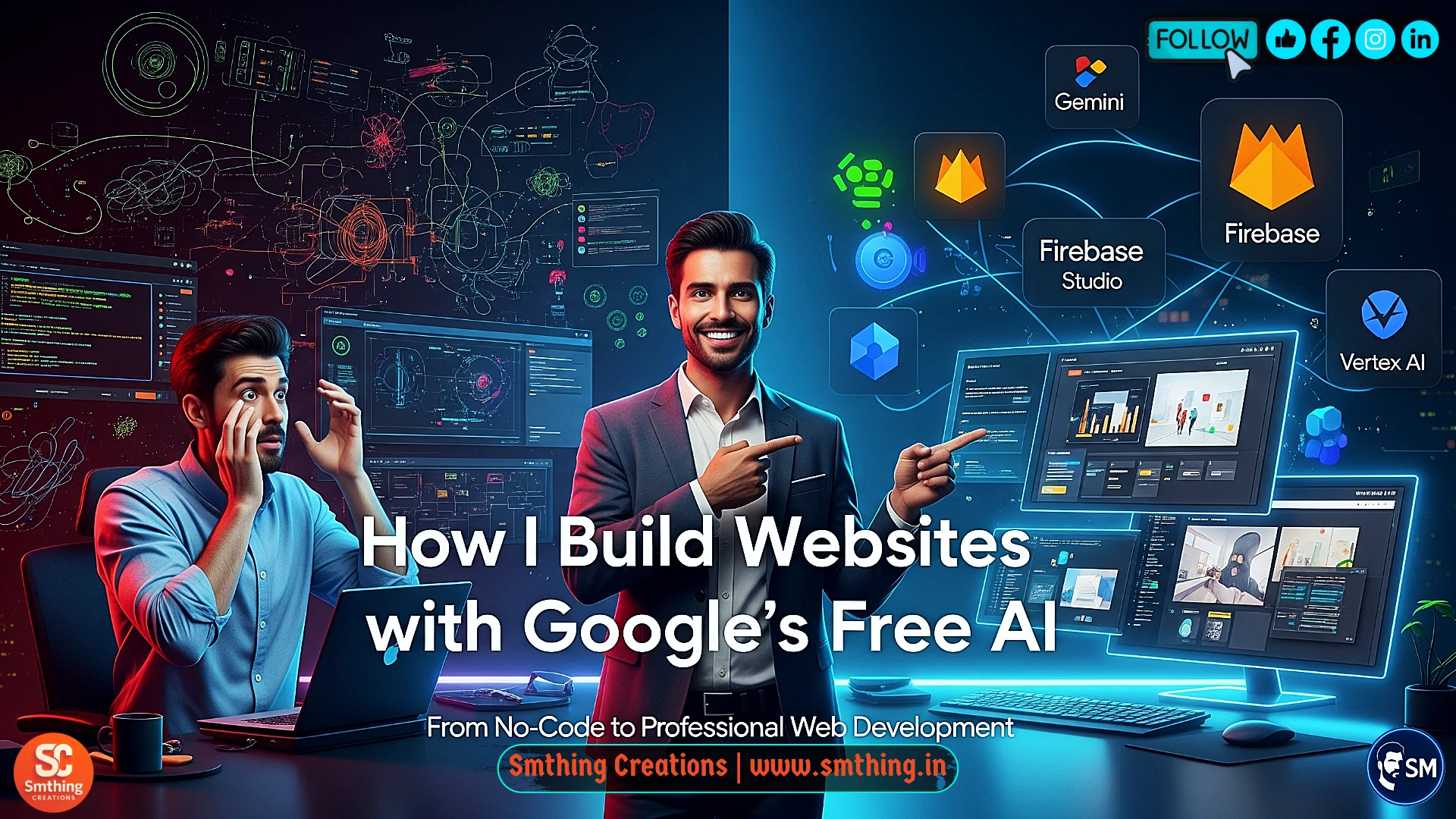
The Revolutionary Shift from Traditional AI to Agentic Intelligence
Just a few months ago, I found myself in the same position as countless other creative professionals and entrepreneurs - fascinated by artificial intelligence possibilities but completely overwhelmed by the sheer number of tools and approaches available. I was constantly asking myself whether these AI technologies could actually help me build real, professional websites for paying clients, or if they were just impressive demonstrations with limited practical application. The breakthrough moment came when I attended Google's GenAI Exchange Bootcamp, where I discovered something that fundamentally changed my understanding of how AI can work as a creative partner.
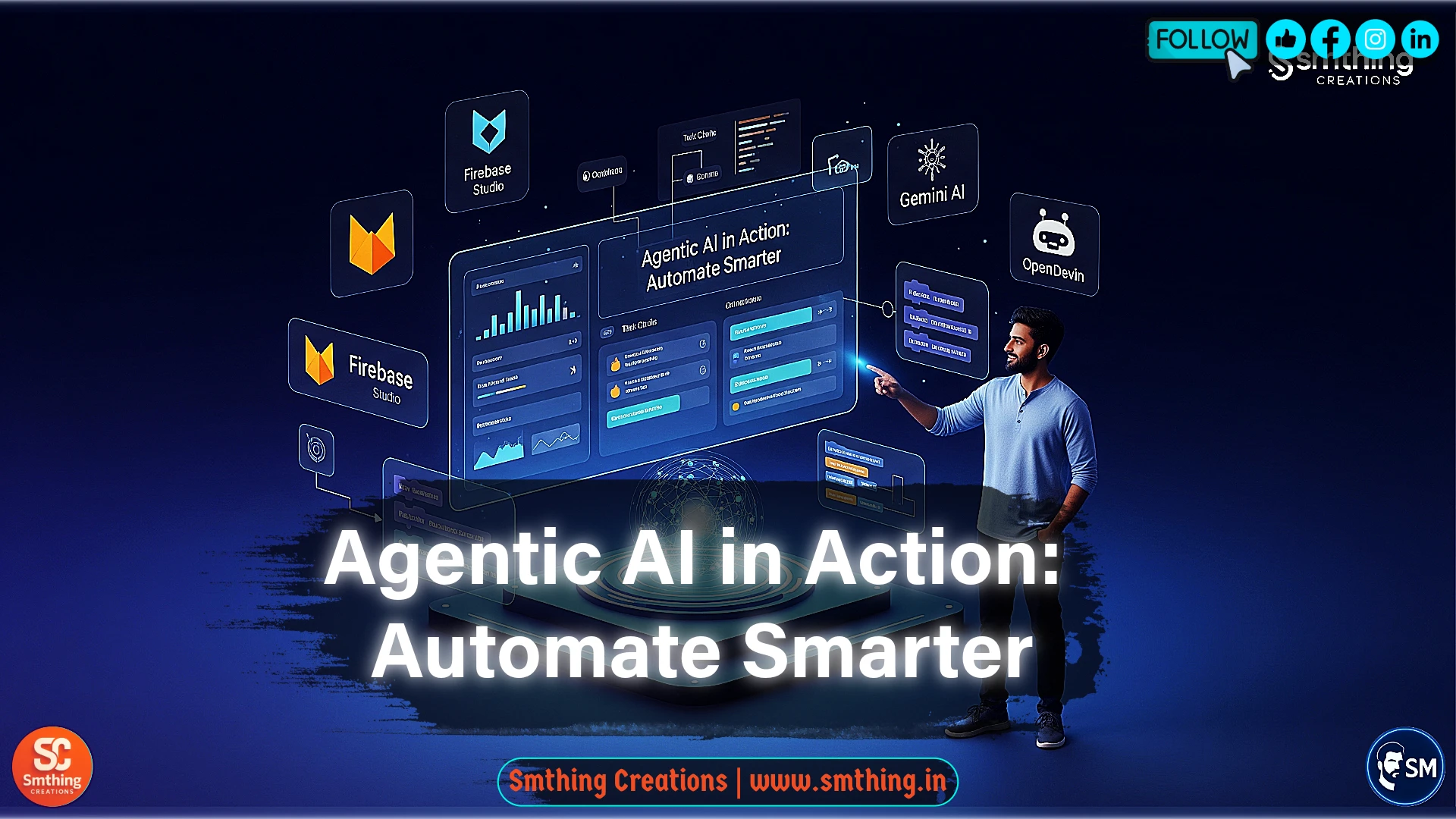
This discovery wasn't just about learning new software tools or mastering different interfaces. Instead, I uncovered an entirely revolutionary approach to working with artificial intelligence that goes far beyond the traditional prompt-and-response model that most people are familiar with. This new paradigm is called Agentic AI, and it represents a fundamental shift from using AI as a simple question-answering tool to collaborating with intelligent systems that can understand complex goals, develop strategies, and execute multi-step processes autonomously while keeping you involved in key decision points throughout the journey.
The difference between traditional AI and Agentic AI is like comparing a calculator to a skilled project manager. With traditional AI tools like basic ChatGPT usage, you provide specific prompts and receive specific responses, requiring you to break down every task into individual steps and manage the entire workflow manually. Agentic AI systems, however, operate more like having an intelligent team member who can take a high-level goal and figure out all the necessary steps, execute them systematically, adapt based on feedback, and continue working until the objective is completely achieved.
Today, I want to share exactly how I use Google's comprehensive AI ecosystem - including Gemini, Firebase Studio, Vertex AI Agents, and other integrated tools - to build complete, professional websites for clients from initial concept to final deployment. This approach is not only incredibly fast and cost-effective, but it's also remarkably empowering for people who previously thought professional web development was beyond their capabilities. Most importantly, this methodology is accessible to anyone willing to learn, regardless of their technical background or coding experience.
Demystifying Agentic AI: From Reactive to Proactive Intelligence
Understanding Agentic AI requires a fundamental shift in how we think about artificial intelligence and its role in creative and technical work. Traditional AI systems are essentially reactive - they wait for your input, process your request, and provide a response. This approach requires you to maintain complete control over the workflow, breaking down complex projects into individual tasks and managing every step of the process manually. While this can be helpful, it places the burden of project management, strategic thinking, and workflow coordination entirely on your shoulders.
Agentic AI represents a completely different approach where artificial intelligence systems demonstrate genuine agency - the ability to act with intention and initiative rather than simply responding to commands. These systems can interpret broad goals, develop comprehensive strategies for achieving those goals, execute multiple steps autonomously, learn from feedback and results, and adapt their approach as circumstances change. Think of it as the difference between hiring someone to answer specific questions versus hiring a capable team member who can take ownership of entire projects.
To illustrate this difference with a practical example, consider the task of building a client website. Using traditional AI, you might prompt: "Write HTML code for a homepage hero section," then separately ask for CSS styling, then request JavaScript functionality, then need another prompt for responsive design, and so on. Each step requires your direct intervention and management. With Agentic AI, you could instead say: "Build me a complete website for a fitness coaching business that collects client testimonials, displays success stories, includes an intelligent chatbot for lead qualification, and guides visitors through booking consultation calls."
The Agentic AI system would then analyze this goal, break it down into necessary components like site architecture, database design, user interface elements, backend functionality, and content strategy. It would execute these tasks systematically while providing checkpoints for your approval and feedback. The AI takes responsibility for project coordination, technical implementation, and ensuring all pieces work together cohesively, while you focus on strategic decisions, brand alignment, and client satisfaction.
Google's AI Ecosystem: A Complete Development Powerhouse
Gemini: Your Strategic Planning Partner
Google's Gemini serves as the strategic brain of this entire development ecosystem, providing sophisticated reasoning capabilities that go far beyond simple text generation. When starting any website project, I use Gemini to analyze the client's business model, target audience, competitive landscape, and specific goals to develop comprehensive project strategies that address both immediate needs and long-term growth potential. The AI can evaluate complex business requirements and translate them into actionable development plans that prioritize features based on user impact and technical feasibility.
Gemini's ability to understand context and maintain conversation continuity makes it invaluable for iterative planning and refinement throughout the development process. I can discuss potential approaches, explore alternative solutions, and receive detailed explanations of technical decisions without losing track of the overall project vision. This collaborative planning process often reveals opportunities and considerations that I might have missed when working alone, resulting in more comprehensive and effective website solutions for clients.
Firebase Studio: Rapid Full-Stack Development
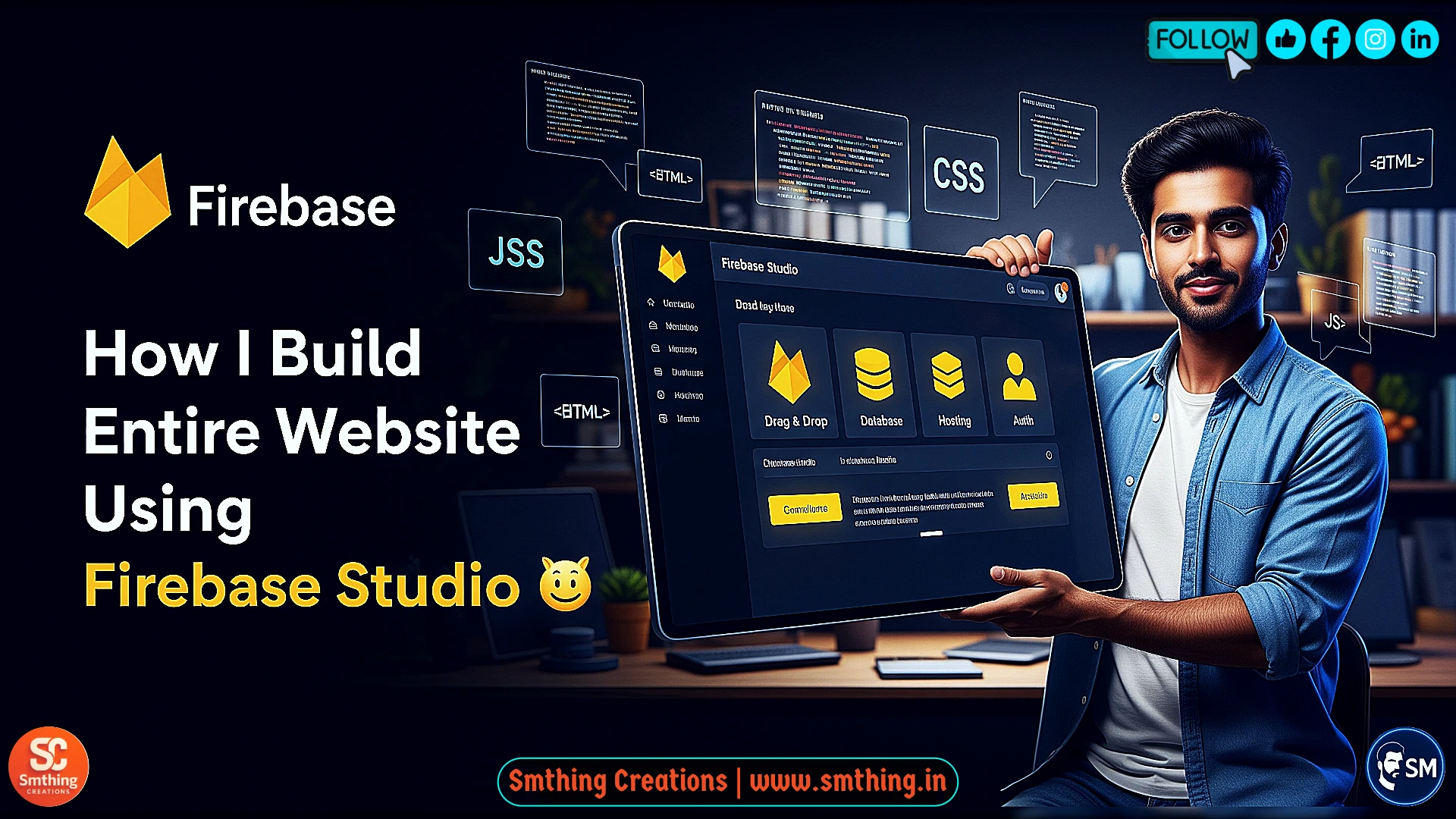
Firebase Studio, enhanced with Gemini integration, transforms the traditionally complex process of full-stack web development into an intuitive, AI-assisted workflow that handles both frontend design and backend infrastructure seamlessly. This platform allows me to describe the functionality I need in natural language, and the AI generates the appropriate database schemas, user authentication systems, hosting configurations, and API endpoints automatically. The integration between design and development phases eliminates the typical disconnect that often causes delays and compatibility issues.
The power of Firebase Studio becomes particularly apparent when building dynamic websites that require real-time data updates, user management, or complex business logic. Instead of spending days configuring databases and writing server-side code manually, I can focus on understanding client requirements and ensuring the user experience meets their business objectives. The platform handles technical implementation details while maintaining professional standards for security, performance, and scalability that meet enterprise-level requirements.
Vertex AI Agents: Intelligent User Interaction
Vertex AI Agent Builder represents perhaps the most revolutionary component of this ecosystem, enabling the creation of sophisticated conversational interfaces that go far beyond traditional chatbots or static contact forms. These agents can understand complex business contexts, maintain meaningful conversations with website visitors, and take actions based on user needs and business objectives. Rather than simply answering predefined questions, these agents can guide users through decision-making processes, qualify leads intelligently, and provide personalized recommendations based on individual circumstances.
The implementation process involves uploading comprehensive knowledge bases including product information, service descriptions, frequently asked questions, and business policies. The agent uses this information to provide accurate, helpful responses while maintaining consistency with the client's brand voice and business approach. These systems can handle multiple conversations simultaneously, work around the clock without breaks, and continuously improve their performance based on interaction data and feedback patterns.
My Complete Development Workflow: From Concept to Launch
Strategic Discovery and Planning Phase
Every successful website project begins with thorough discovery and strategic planning, but Agentic AI transforms this phase from a time-consuming research process into an efficient, collaborative exploration of possibilities and requirements. I start by engaging Gemini in comprehensive discussions about the client's business model, target audience demographics, competitive positioning, and specific website objectives. The AI helps identify potential challenges, opportunities for differentiation, and technical requirements that might not be immediately obvious but could significantly impact project success.
During this planning phase, I also use Gemini to analyze the client's existing digital presence, identify content gaps, and develop comprehensive site architectures that support both current needs and future growth. The AI can suggest innovative features, recommend optimal user flows, and provide detailed rationales for various design and functionality decisions. This collaborative approach ensures that every website I build is strategically sound and aligned with broader business objectives rather than simply fulfilling basic functional requirements.
Design and Development Implementation
The actual development phase leverages the full power of the integrated Google ecosystem, with Firebase Studio handling both frontend design and backend infrastructure development through AI-assisted workflows. I describe the required functionality, user interface preferences, and technical specifications in natural language, and the platform generates appropriate code structures, database designs, and user interface components automatically. This approach maintains professional development standards while dramatically reducing the time required for technical implementation.
Throughout the development process, the AI systems handle routine technical tasks like responsive design implementation, cross-browser compatibility testing, and performance optimization, allowing me to focus on strategic decisions about user experience, content organization, and business logic. The seamless integration between different tools ensures that frontend designs work perfectly with backend functionality, eliminating the integration challenges that often plague traditional development workflows.
Intelligent Agent Integration and Testing
The integration of Vertex AI Agents adds a sophisticated layer of user interaction that transforms static websites into dynamic, engaging platforms that actively guide visitors toward desired outcomes. I configure these agents with comprehensive knowledge about the client's services, pricing structures, common customer questions, and business processes. The agents then provide personalized assistance to website visitors, qualifying leads automatically, scheduling appointments, and providing detailed information about products or services based on individual user needs and preferences.
Testing these intelligent agents involves simulating various user scenarios, evaluating response quality, and refining the knowledge base to ensure accurate, helpful interactions. The agents can handle complex queries by synthesizing information from multiple sources, provide contextually appropriate recommendations, and escalate complex issues to human team members when necessary. This level of sophisticated user interaction typically requires expensive custom development, but Agentic AI makes it accessible and affordable for businesses of all sizes.
Real-World Results and Business Impact
The practical results of this Agentic AI approach have been transformative for both my business and my clients' outcomes. Website projects that previously required weeks or months of development time can now be completed in days while maintaining professional quality standards and including advanced features that would have been cost-prohibitive using traditional development approaches. Clients consistently express amazement at the speed of delivery combined with the sophisticated functionality of their finished websites, particularly the intelligent agent capabilities that provide immediate return on investment through improved lead qualification and customer service efficiency.
The cost savings are equally impressive, with typical projects costing less than twenty percent of traditional agency fees while delivering superior results in terms of functionality, performance, and user experience. This dramatic cost reduction makes professional website development accessible to small businesses and startups that previously couldn't afford custom solutions, opening up entirely new market opportunities while providing exceptional value to clients across all business sizes and industries.
Beyond the immediate project benefits, this approach has fundamentally changed how I think about business scalability and service delivery. Instead of being limited by personal technical skills or the need to hire expensive specialized team members, I can take on increasingly complex projects with confidence, knowing that the AI ecosystem provides the technical capabilities needed to deliver professional results consistently. This scalability enables rapid business growth without the traditional constraints of team hiring, training, and management that typically limit service-based businesses.
The Future of AI-Assisted Development
Looking ahead, the evolution of Agentic AI systems promises even more revolutionary changes in how we approach website development and digital business creation. Advanced AI systems like Devin AI are beginning to demonstrate autonomous software engineering capabilities that could soon integrate with platforms like Firebase Studio to automate even more complex development tasks, including custom API development, third-party service integrations, and advanced database optimization. This evolution suggests that the gap between having a business idea and launching a fully functional digital platform will continue to shrink dramatically.
The implications of this technological advancement extend far beyond website development into fundamental changes in how we think about business creation, scalability, and competitive advantage. As AI systems become more sophisticated and autonomous, the most successful entrepreneurs and service providers will be those who can effectively collaborate with AI partners, understand business strategy and user experience principles, and maintain focus on solving real problems for real people rather than getting caught up in technical implementation details.
Getting Started: Your Path to AI-Assisted Development
The beauty of this Agentic AI approach is that it's built on accessible tools and principles that anyone can learn and implement, regardless of their technical background or previous development experience. You don't need extensive programming knowledge or expensive software licenses to begin building professional websites using this methodology. The learning curve is gentle because you're focused on strategic thinking, clear communication with AI systems, and understanding user needs rather than memorizing programming syntax or complex technical frameworks.
Whether you're a freelancer looking to expand your service offerings, an entrepreneur wanting to prototype and launch ideas quickly, or a creative professional exploring new possibilities for digital expression, this AI-powered workflow provides a practical starting point for achieving your goals. The tools continue evolving rapidly, and the possibilities expand constantly, making this an exciting time to begin exploring the intersection of artificial intelligence and creative business development.