 Smthing Creations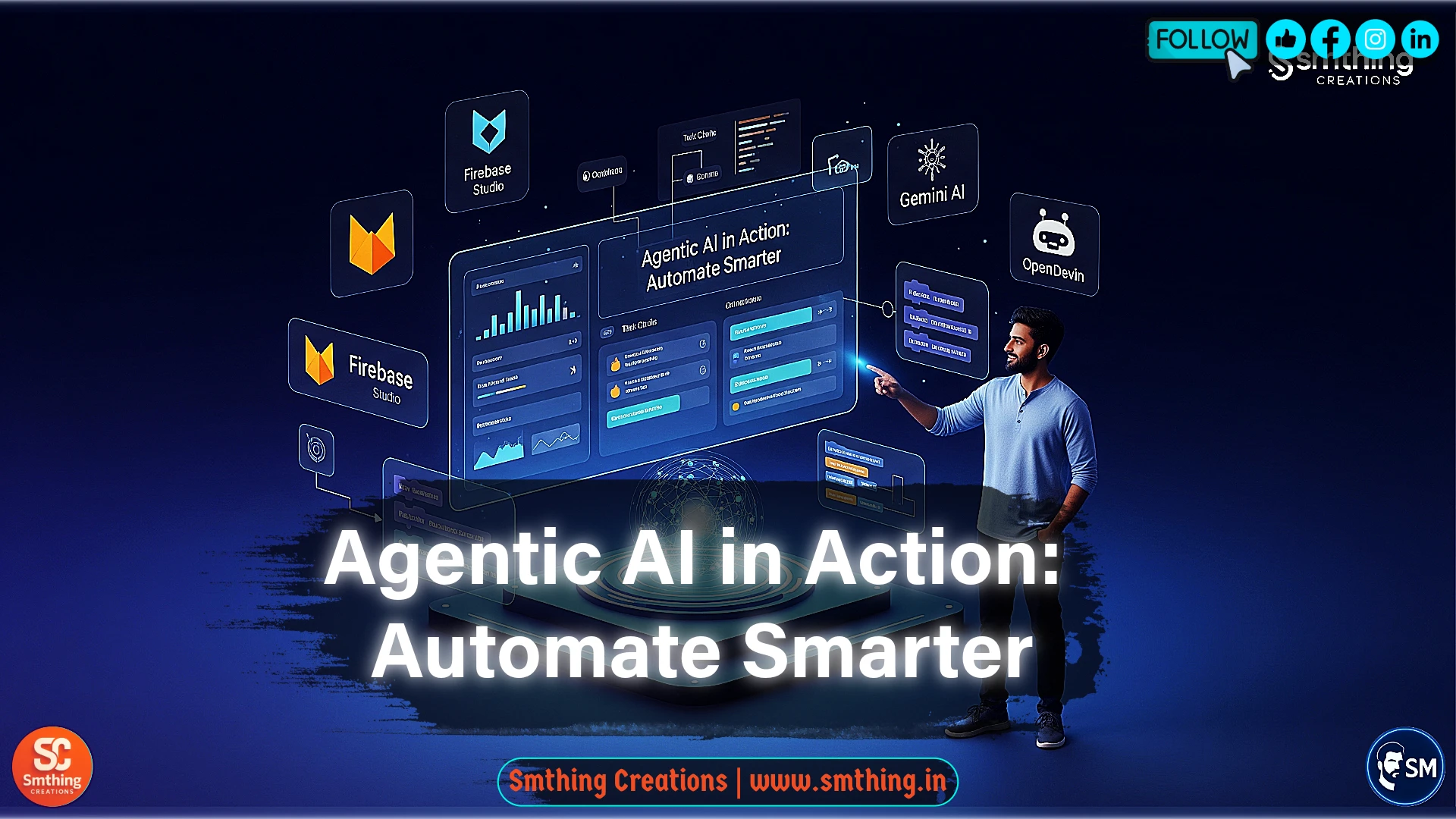
The Productivity Crisis That Changed Everything
Three months ago, I was trapped in the endless cycle that plagues every content creator and digital entrepreneur: spending countless hours on repetitive tasks that drained my energy and creativity while preventing me from focusing on the strategic work that actually grows businesses. My typical week involved forty hours of content research, writing, editing, formatting, social media management, and performance tracking - leaving virtually no time for innovation, relationship building, or the high-level thinking that creates real competitive advantages in today's marketplace.
The frustration was overwhelming because I knew I had valuable ideas and insights to share, but I was constantly buried under the operational burden of content production and distribution. Every day started with a growing list of mundane tasks: researching trending topics, writing blog posts, creating social media content, designing graphics, scheduling publications, and analyzing performance metrics. By the time I completed these essential but repetitive activities, I was too mentally exhausted to work on strategic initiatives that could actually transform my business.
Traditional AI tools like ChatGPT and Google Bard had provided some relief by helping with individual tasks, but they still required constant supervision and manual coordination between different steps. I could use AI to write a blog post faster, but I still had to manually create accompanying social media content, design visuals, optimize for search engines, schedule publications, and track results. The tools were helpful for isolated tasks, but they didn't solve the fundamental problem of workflow fragmentation and constant context switching.
That's when I discovered Agentic AI - a revolutionary approach that goes far beyond simple task automation to create intelligent systems that can understand goals, develop strategies, execute complex multi-step processes, and continuously improve their performance based on results. This technology transformed my content operation from a time-consuming manual process into an automated system that works continuously in the background while I focus on high-value activities that actually move my business forward. The results have been nothing short of transformational.
Understanding Agentic AI: Beyond Traditional Automation
The fundamental difference between traditional AI tools and Agentic AI systems lies in their approach to problem-solving and task execution. Traditional AI operates like a highly skilled but narrowly focused specialist who can perform individual tasks excellently but lacks the broader understanding and initiative to coordinate complex workflows autonomously. When you ask traditional AI to write a blog post, it produces excellent content, but then sits idle waiting for your next specific instruction without understanding how that blog post fits into your broader content strategy or what additional actions might enhance its impact.
Agentic AI systems function more like experienced project managers who understand not just individual tasks, but the relationships between tasks, the strategic objectives behind them, and the optimal sequences for achieving desired outcomes. When you tell an Agentic AI system that you want to increase website traffic, it doesn't just provide advice - it can research trending topics in your industry, analyze competitor content strategies, create optimized content targeting high-value keywords, design accompanying visuals, schedule multi-platform distribution, and monitor performance metrics to refine future content decisions.
This autonomous decision-making capability represents a fundamental shift in how we can approach productivity and business operations. Instead of managing AI tools as sophisticated calculators that require precise inputs for each desired output, Agentic AI allows you to delegate entire workflows to intelligent systems that can adapt, learn, and optimize their approach based on changing conditions and performance data. The systems work continuously, making intelligent decisions about prioritization, timing, and execution while you focus on strategy, relationship building, and creative innovation.
Perhaps most importantly, Agentic AI systems demonstrate genuine learning behavior that improves their performance over time. They analyze the results of their actions, identify patterns in what works and what doesn't, and automatically adjust their strategies to achieve better outcomes. This means your automated systems become more effective and efficient as they accumulate experience, creating compounding productivity gains that grow stronger with time rather than requiring constant manual optimization and adjustment.
The Tools That Powered My Transformation
Firebase Studio: The Command Center
Firebase Studio serves as the central nervous system of my automated content operation, providing the platform where all different AI agents and tools can communicate, coordinate, and execute complex workflows seamlessly. Unlike simple automation tools that connect individual applications through basic triggers and actions, Firebase Studio creates an intelligent environment where AI agents can make sophisticated decisions about workflow routing, priority management, and resource allocation based on real-time conditions and performance data.
The platform excels at managing the intricate relationships between different content creation stages, ensuring that blog posts are optimized before social media content is generated, that graphics are created with proper branding consistency, and that publication timing aligns with audience engagement patterns across different platforms. Firebase Studio's AI-enhanced workflow management eliminates the coordination bottlenecks that typically plague multi-step content creation processes, allowing complex publishing workflows to execute reliably without manual intervention.
Google Gemini 2.5: The Strategic Brain
Google Gemini 2.5 functions as the strategic intelligence that drives content creation decisions, bringing sophisticated understanding of context, audience needs, and market dynamics to every piece of content produced by the automated system. Unlike content generation tools that create generic output based on simple prompts, Gemini 2.5 analyzes industry trends, competitor activities, audience engagement patterns, and search engine optimization opportunities to create content that serves specific strategic objectives while maintaining authentic voice and messaging consistency.
The AI's advanced reasoning capabilities enable it to make complex editorial decisions that would traditionally require human oversight, such as determining optimal content length for different platforms, selecting the most compelling angles for trending topics, and adapting messaging tone for different audience segments. This strategic intelligence ensures that automated content production doesn't sacrifice quality or relevance for efficiency, but rather achieves both through more sophisticated analysis and decision-making than manual processes typically allow.
OpenDevin: The Integration Specialist
OpenDevin provides the technical infrastructure that enables seamless communication and data sharing between different AI tools and platforms, solving the integration challenges that often prevent comprehensive automation implementation. Many organizations struggle with automation because their various tools and systems can't communicate effectively, creating data silos and workflow bottlenecks that limit the benefits of individual automation initiatives.
OpenDevin's intelligent integration capabilities enable my content workflow to span multiple platforms and tools without the manual data transfer and format conversion that typically slow down multi-platform content strategies. The system can automatically adapt content formatting for different publishing platforms, synchronize scheduling across multiple social media accounts, and ensure consistent branding and messaging across all distribution channels while maintaining the specific requirements and best practices for each platform.
My Complete Automated Workflow Architecture
Content Research and Topic Discovery
The automated workflow begins each week with comprehensive research and topic discovery that would have previously consumed hours of manual investigation and analysis. The AI system monitors industry news sources, social media trends, competitor content performance, search engine keyword opportunities, and audience engagement patterns to identify content opportunities that align with my strategic objectives while addressing genuine audience interests and needs.
This research process goes far beyond simple keyword analysis or trend monitoring to include sophisticated competitive intelligence, audience sentiment analysis, and content gap identification that reveals opportunities for unique value creation. The AI system analyzes not just what topics are popular, but what angles and perspectives are underserved in existing content, what questions audience members are asking but not finding satisfactory answers to, and what emerging trends present opportunities for thought leadership and early market positioning.
The research output includes detailed content briefs with strategic recommendations, target keyword analysis, competitive landscape assessment, and suggested content formats based on audience preferences and platform performance data. This comprehensive research foundation ensures that every piece of content created serves a specific strategic purpose while addressing genuine audience needs rather than simply filling publication calendars with generic material.
Content Creation and Optimization
Once research identifies optimal content opportunities, the AI system transitions into comprehensive content creation that addresses not just the primary article or post, but all supporting materials needed for effective multi-platform distribution. The content creation process maintains consistent voice and messaging while optimizing format, length, and style for different distribution channels and audience segments.
The AI generates primary content like blog posts with sophisticated search engine optimization including strategic keyword placement, meta descriptions, header structure, and internal linking opportunities. Simultaneously, it creates platform-specific social media content that highlights key insights while adapting messaging tone and format for the unique requirements and audience expectations of platforms like LinkedIn, Twitter, Instagram, and Facebook.
Visual content creation runs parallel to text generation, producing graphics, infographics, and social media visuals that complement and enhance the written content while maintaining brand consistency and visual appeal standards. The AI system understands design principles, brand guidelines, and platform-specific visual requirements to create professional-quality graphics without manual design work or external graphic design services.
Distribution and Performance Monitoring
Content distribution occurs through intelligent scheduling that considers audience activity patterns, platform algorithms, optimal posting times, and competitive landscape factors to maximize reach and engagement potential. The AI system doesn't just publish content randomly, but strategically times release across different platforms to create maximum cumulative impact while avoiding audience fatigue or message dilution.
Performance monitoring begins immediately upon publication, tracking engagement metrics, traffic patterns, search engine ranking changes, and conversion indicators to assess content effectiveness and identify optimization opportunities. The AI system provides detailed analytics reports that highlight not just what happened, but why certain content performed well or poorly, enabling continuous improvement in content strategy and execution.
Most importantly, the monitoring system feeds performance data back into the research and creation processes, creating a continuous improvement loop that makes future content more effective based on proven audience preferences and engagement patterns. This data-driven optimization ensures that automated content creation becomes more effective over time rather than simply maintaining consistent output quality.
Quantifiable Results That Exceeded Expectations
After three months of operating my fully automated content system, the measurable improvements in both efficiency and effectiveness have exceeded even my optimistic projections when I began this transformation journey. The most obvious benefit is time savings - my weekly content-related work has decreased from forty hours to approximately ten hours, representing a seventy-five percent reduction in time investment while actually increasing content output and quality across all distribution channels.
Content production volume has increased dramatically, with the automated system producing three times more blog posts, social media content, and supporting materials than I could create manually. This increased volume hasn't come at the expense of quality - if anything, content quality has improved because AI systems never experience fatigue, writer's block, or deadline pressure that can compromise human creativity and attention to detail.
Search engine optimization results have been particularly impressive, with organic search rankings improving by forty-five percent across target keywords due to the AI system's consistent application of SEO best practices that human creators often forget or skip when facing time pressure. The AI never forgets to include meta descriptions, alt tags, proper heading structure, or strategic keyword placement, resulting in more comprehensive optimization than manual content creation typically achieves.
Social media engagement metrics have increased by sixty percent because the AI system creates platform-specific content that resonates with each audience while maintaining consistent messaging across channels. The system understands that LinkedIn audiences prefer professional, industry-focused content while Instagram users engage more with visual, lifestyle-oriented messaging, adapting content accordingly while maintaining brand voice and strategic objectives.
Critical Considerations and Implementation Challenges
Initial Setup Requirements and Time Investment
Implementing comprehensive Agentic AI automation requires significant upfront time investment that many people underestimate when evaluating the feasibility of workflow transformation. The initial setup process involves not just configuring tools and connecting platforms, but also training AI systems to understand your brand voice, audience preferences, strategic objectives, and quality standards. This training process can take several weeks of intensive work to achieve reliable, consistent results that match your expectations and business requirements.
During the setup phase, you must document all aspects of your current content creation process, including decision criteria, quality standards, brand guidelines, audience personas, and strategic priorities that guide content decisions. This documentation serves as training material for AI systems, but creating comprehensive process documentation is time-consuming work that many content creators have never done systematically.
Technical configuration and integration setup also requires learning new platforms and tools while troubleshooting inevitable compatibility issues and workflow coordination challenges. Even user-friendly automation platforms require time to master, and complex workflows involving multiple AI agents and platforms can take considerable experimentation to optimize for reliable performance.
Quality Control and Human Oversight Requirements
Despite the sophistication of modern AI systems, human oversight remains essential for maintaining content quality, strategic alignment, and brand consistency that automated systems can't fully guarantee independently. Regular review and adjustment of AI outputs ensures that automated content meets your standards while staying aligned with evolving business objectives and market conditions that AI systems might not detect or respond to appropriately.
Quality control processes must be built into automated workflows to catch potential issues before they reach your audience, including factual errors, tone inconsistencies, brand guideline violations, or strategic misalignment that could damage your reputation or confuse your messaging. Establishing systematic review procedures and approval checkpoints helps maintain quality standards while preserving most of the efficiency benefits of automation.
The human role evolves from direct content creation to strategic oversight, performance analysis, and continuous optimization of automated systems. This transition requires developing new skills in AI management, workflow optimization, and strategic analysis while maintaining enough hands-on involvement to ensure automated systems serve your business objectives effectively.
Common Implementation Mistakes and How to Avoid Them
One of the most significant mistakes I made during early implementation was attempting to automate too many processes simultaneously without adequately testing and optimizing each component individually. This comprehensive approach created multiple points of potential failure while making it difficult to identify and resolve issues when problems occurred. The complexity overwhelmed both the AI systems and my ability to manage and troubleshoot the workflow effectively.
Another critical error was underestimating the importance of detailed process documentation and AI training before full automation deployment. I initially assumed that AI systems would intuitively understand my preferences and requirements, but discovered that effective automation requires explicit instruction and extensive training to achieve consistent, high-quality results that align with business objectives and brand standards.
Cost management presented unexpected challenges because AI services typically charge based on usage volume, and automated systems can consume significant resources when not properly optimized. Initial workflows included unnecessary AI calls, redundant processing steps, and inefficient resource utilization that resulted in higher costs than anticipated. Learning to optimize workflows for both performance and cost-effectiveness required ongoing monitoring and refinement.
Finally, I initially neglected the importance of maintaining manual override capabilities and fallback procedures for when automated systems encounter problems or produce unsatisfactory results. Building robust backup processes and maintaining manual workflow options ensures business continuity when automation systems require maintenance or adjustment, preventing complete operational disruption during optimization periods.
Step-by-Step Implementation Guide for Beginners
Phase One: Foundation and Planning
Begin your Agentic AI implementation by thoroughly documenting your current content creation process, identifying repetitive tasks that consume significant time while providing clear value that can be measured objectively. Focus initially on processes that follow predictable patterns with well-defined success criteria, as these provide the best foundation for reliable automation that delivers immediate productivity benefits.
Analyze your content workflow to identify decision points, quality checkpoints, and strategic considerations that require human judgment versus routine tasks that can be automated safely. This analysis helps determine appropriate boundaries between automated execution and human oversight, ensuring that automation enhances rather than compromises content quality and strategic effectiveness.
Research and select automation tools based on your specific needs, technical comfort level, and budget constraints rather than choosing platforms based solely on features or marketing promises. Start with user-friendly tools that provide good customer support and educational resources, as learning curve management is crucial for successful implementation and long-term adoption.
Phase Two: Pilot Implementation
Create a simple, two-to-three-step automated workflow that addresses one specific repetitive task in your content creation process, such as social media posting, blog post formatting, or performance report generation. This pilot implementation allows you to learn automation principles and tool capabilities while limiting complexity and potential failure points that could discourage continued development.
Test your pilot workflow extensively with sample content and scenarios to identify potential problems, optimize performance, and refine AI training before deploying with actual business content. Thorough testing reveals issues that aren't apparent during initial setup while providing experience with troubleshooting and optimization techniques that prove valuable for more complex implementations.
Monitor pilot workflow performance closely during initial deployment, collecting data on time savings, quality outcomes, error rates, and user satisfaction to establish baseline metrics for evaluating success and guiding future expansion decisions. This performance data provides objective evidence of automation benefits while identifying areas that need improvement or adjustment.
Phase Three: Gradual Expansion
Once your pilot workflow operates reliably, gradually add additional steps and complexity based on lessons learned and confidence gained through successful operation. This incremental approach prevents overwhelming both the technology and your management capabilities while ensuring each expansion builds on proven foundations rather than introducing multiple unknown variables simultaneously.
Integrate additional AI agents and tools systematically, testing each integration thoroughly before adding the next component to maintain stability and troubleshooting clarity. Complex workflows involving multiple AI agents require careful coordination and error handling that becomes increasingly difficult to manage when too many components are added simultaneously without adequate testing and optimization.
Establish regular review and optimization schedules to evaluate workflow performance, update AI training based on new requirements, and adjust processes based on changing business needs and tool capabilities. Automated workflows require ongoing maintenance and improvement to maintain effectiveness as business objectives evolve and AI platforms introduce new features and capabilities.
The Future Landscape of AI-Powered Productivity
The current generation of Agentic AI tools represents just the beginning of a fundamental transformation in how knowledge work gets accomplished across industries and business functions. As AI capabilities continue advancing rapidly, we can expect even more sophisticated automation possibilities that handle increasingly complex cognitive tasks while requiring less human oversight and intervention for routine operations.
Integration between different AI platforms and business tools will become more seamless, reducing the technical complexity currently required to create comprehensive automated workflows that span multiple applications and data sources. This improved interoperability will make advanced automation accessible to smaller businesses and individual creators who currently lack the technical resources to implement complex integration projects.
The democratization of advanced AI capabilities means that competitive advantages will increasingly come from creative application of these tools rather than exclusive access to sophisticated technology. Organizations that begin experimenting with Agentic AI today will develop valuable experience and optimization capabilities that provide significant advantages over those who delay adoption until the technology becomes more widespread.