 Smthing Creations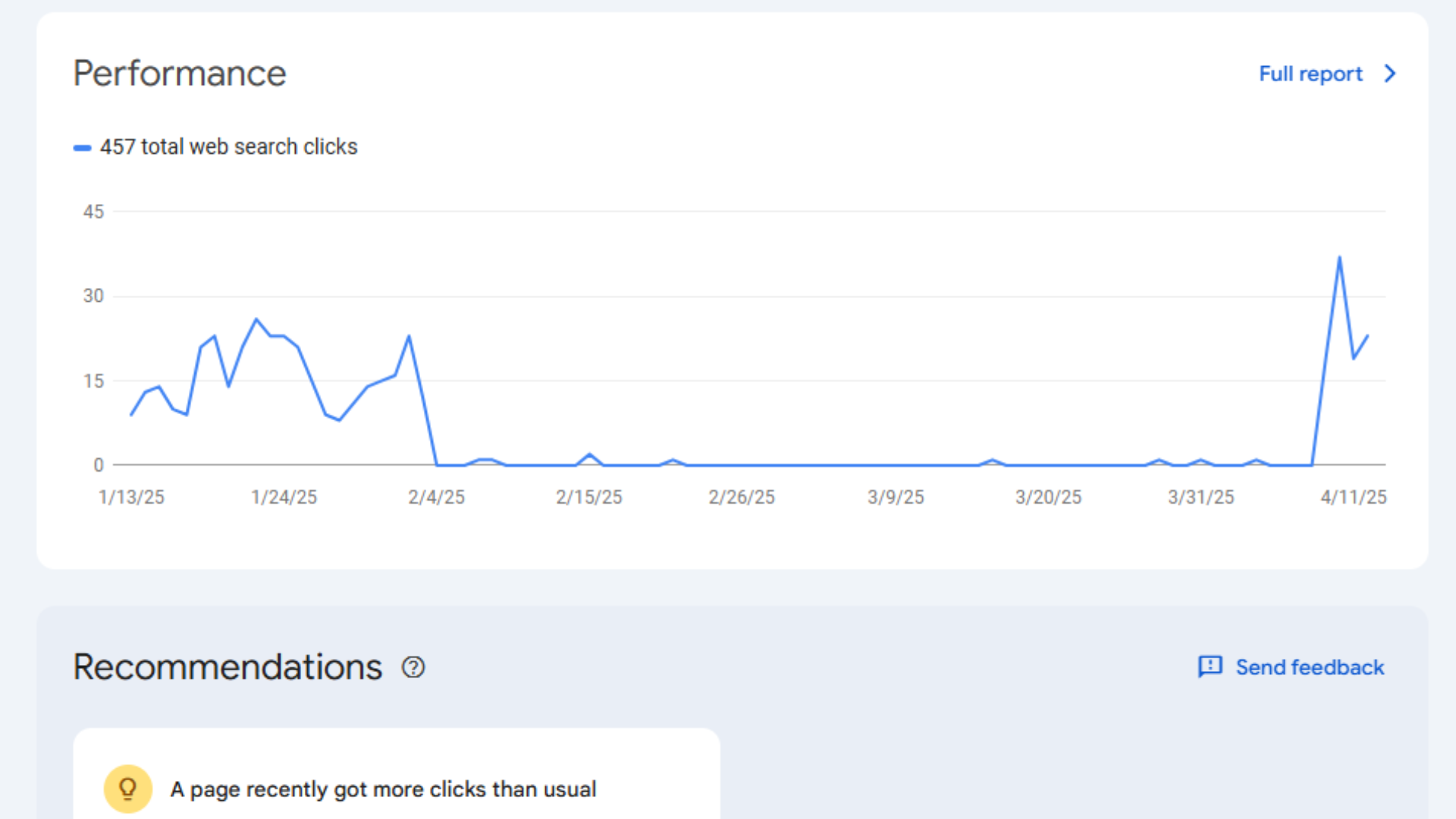
Summary: This case study explores how resetting a website in Google Search Console can boost SEO visibility and rankings. It also highlights the importance of optimizing error pages, turning them into revenue-generating assets. Learn from real-life SEO experiences and see how a mistake turned into a powerful opportunity.
Introduction
When I first started working on my website’s SEO, I knew that visibility and ranking on search engines were key to growing my brand. However, I didn’t expect that one of my biggest breakthroughs would come from what initially felt like a major mistake.
After a series of missteps, including resetting the website in Google Search Console, I was left feeling frustrated. Little did I know that this “wrong” move would later help me gain visibility, improve my rankings, and even generate revenue.
In this case study, I’ll walk you through the journey, explaining how a mistake turned into a positive SEO experience and how an often-overlooked aspect of a website—error pages—became a revenue stream for me.
Step 1: The Accident – Resetting Website in Google Search Console
Google Search Console (GSC) is one of the most powerful tools for website owners to monitor and optimize their site’s performance. I was working on improving the SEO of my site when I mistakenly reset the website within the GSC. All my website’s data was lost—indexing history, crawl data, and performance statistics.
At first, I panicked. Losing such crucial information felt like a huge setback, and I feared that my site would lose all of its hard-earned rankings. My immediate thoughts were that I had ruined all my progress, and I couldn’t fathom how I would recover.
Step 2: The Aftermath – Gaining Visibility Again
Despite the initial panic, something unexpected started happening. Over the next few weeks, I noticed that my site’s visibility started to rise again. The rankings, which I feared were lost forever, slowly started coming back.
This was when I realized something important — resetting the website in Google Search Console allowed it to be re-indexed.
When I reset the data, Google treated it as a fresh start. It cleared out all the old, outdated crawl data and began indexing the site again. It turned out that my previous configuration wasn’t as optimized as it could have been, and the reset helped Google refresh its perspective on the site.
Step 3: Leveraging Error Pages for Revenue Generation
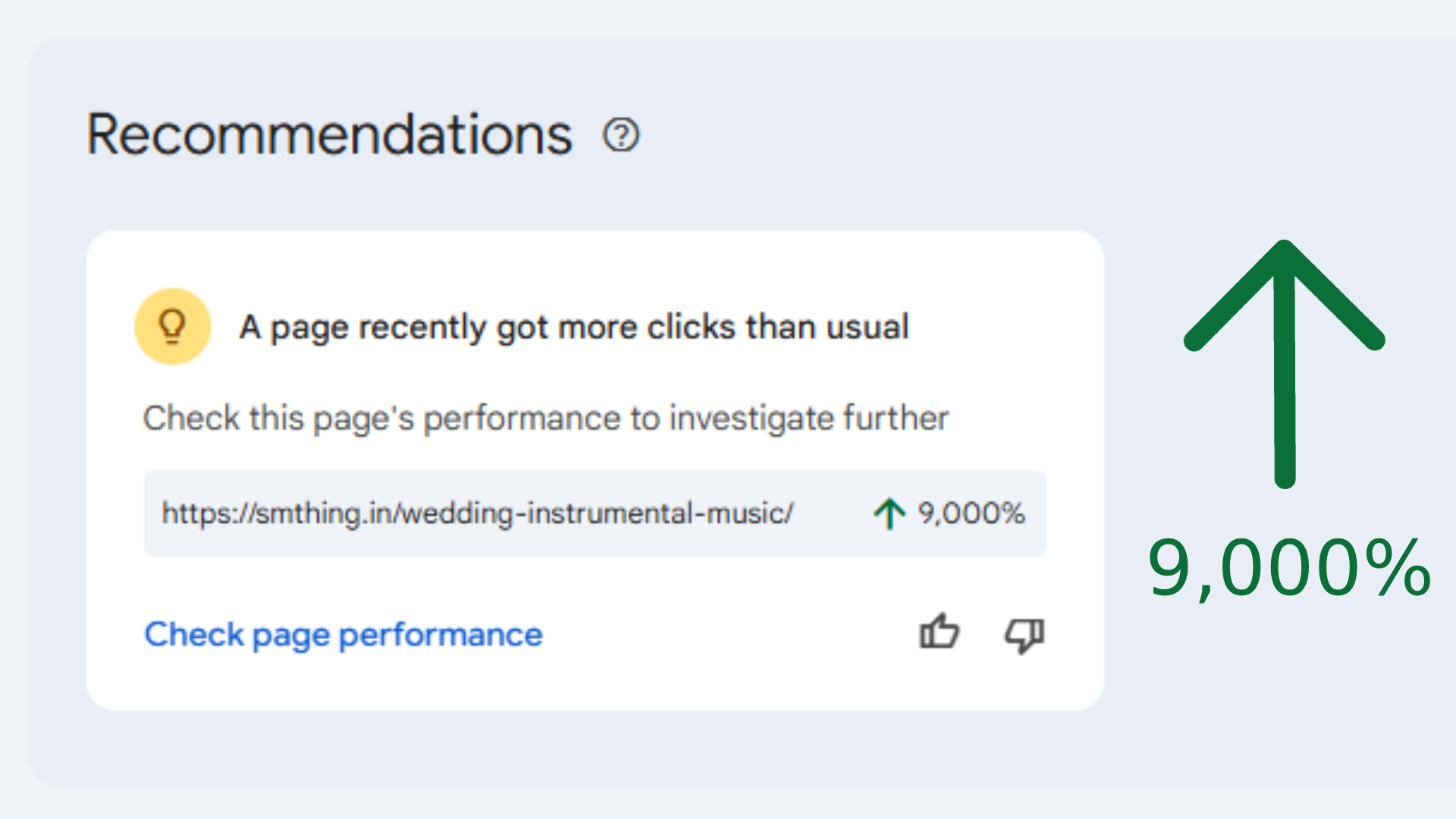
As my website started to regain its ranking, I also revisited something I had previously neglected—my error pages. Like many website owners, I hadn’t paid much attention to the 404 error pages and other non-indexed pages. They seemed unimportant and were often ignored.
However, during this period of resetting the website, I took a closer look at these error pages and realized I could optimize them. Instead of leaving them blank or generic, I began adding targeted keywords and even calls to action. I made sure that even the "pages that weren’t found" could still bring value to visitors and, eventually, generate revenue.
Here’s how I approached it:
- Optimized Error Pages: I added a custom message to the error pages with links to popular pages on my site and calls to action (CTAs).
- Monetization Strategy: By including relevant affiliate links and offering downloadable content on these pages, I began to see a trickle of revenue coming from pages that would otherwise have been ignored.
To my surprise, these pages began to generate traffic from users who might have otherwise left the site immediately. The error pages didn’t just act as placeholders anymore—they became an additional revenue stream.
Step 4: Understanding the Bigger Picture
This experience taught me something valuable about SEO: Sometimes, what seems like a mistake or setback can provide a fresh start. Resetting my Google Search Console wasn’t an error in the traditional sense—it allowed me to optimize my website with a clean slate.
Additionally, it’s important never to overlook aspects of a website that may seem trivial, like error pages. By giving them proper attention and optimization, I turned something seemingly useless into an asset.
Conclusion
In the end, the reset wasn’t a failure; it was an unexpected opportunity for growth. My website gained visibility, I improved my rankings, and I discovered how error pages could become a revenue-generating tool.
The key takeaway here is that SEO is full of twists and turns. Mistakes happen, but it’s how you adapt that counts. If you can learn from them, tweak your strategy, and make the best of the situation, you can turn challenges into opportunities.
If you're feeling stuck in your SEO journey, remember: sometimes, the biggest breakthroughs come from what initially seems like a mistake. Don’t be afraid to reset, optimize, and start fresh when necessary. Keep experimenting, and you’ll be amazed at the results.
We respect your privacy. No spam, ever.
Most Read Post

Explore real AI business ideas with no code. Learn how to build, launch, and monetize a digital business from scratch - even as a beginner. Discover 10+ powerful AI business ideas with no code. Learn how to start, scale, and monetize your dream digital business without tech skills. A full guide on building an online business with AI for non-technical founders, including tools, strategies, and monetization steps.